

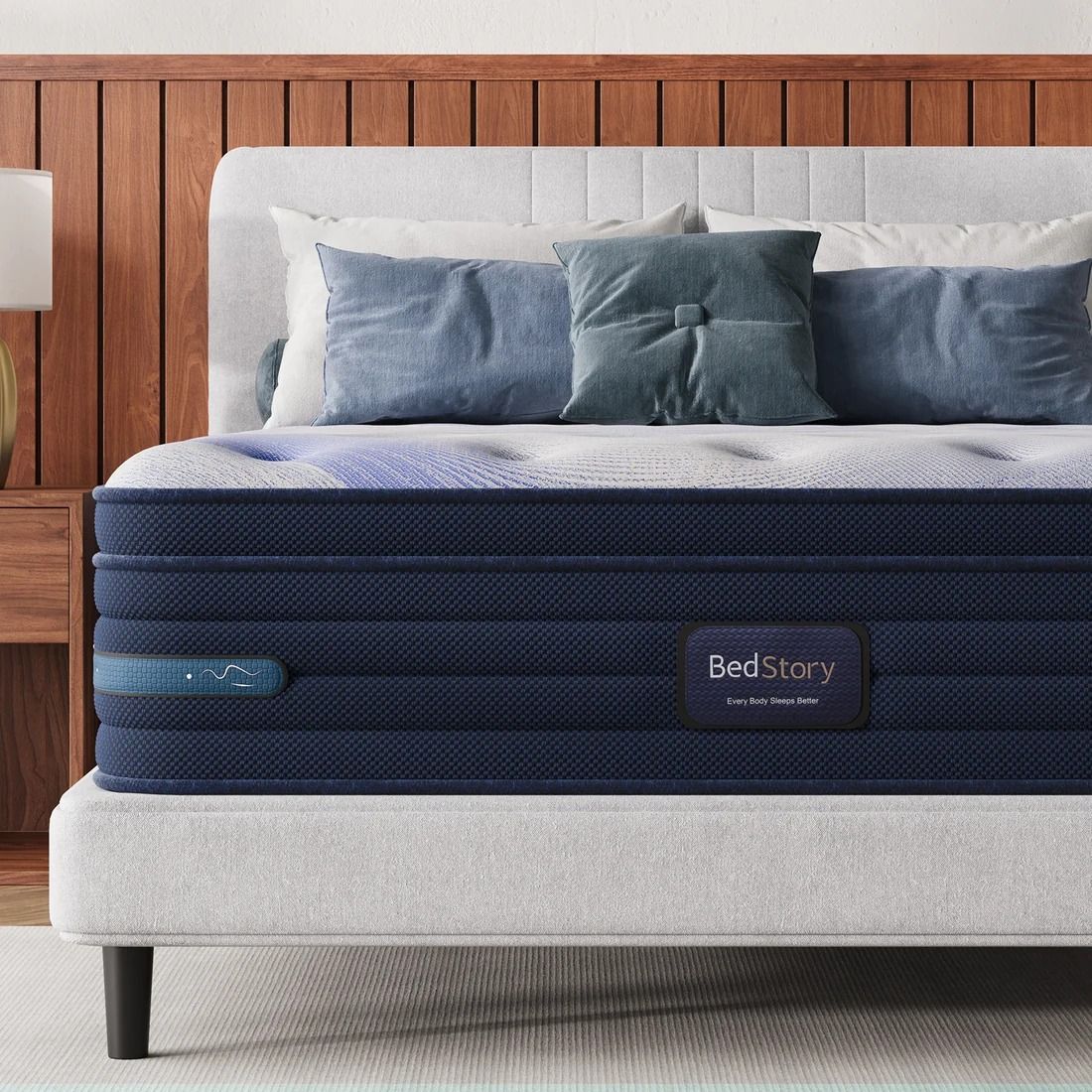
Start with your sleep needs, not just the label
Think about your preferred position—side, back, or stomach—because your shoulders, hips, and spine need different types of support. Side sleepers typically luxury hybrid mattress benefit from better contouring to relieve pressure, while back sleepers usually want support that keeps the lower back aligned. Stomach sleepers often do best with a firmer feel to prevent the midsection from sinking.
Next, consider your comfort goals beyond firmness. If you wake up with soreness or stiffness, focus on materials that balance cushioning with stable support, since too much softness can allow misalignment. If you sleep hot, prioritize airflow features and breathable comfort layers that help regulate temperature throughout the night. If you share a bed, evaluate motion isolation so movement from a partner doesn’t pull you out of restful sleep. These factors help you narrow down the right build before you compare brand claims.
Compare construction details that impact support and feel
Hybrid designs combine a supportive innerspring base with comfort layers that shape the surface where your body rests. The spring system helps with responsiveness and edge support, which can reduce the sensation of sinking too deeply. Meanwhile, the top layers determine how quickly power lift recliner you feel “hug” and how long the surface retains its comfort as the mattress settles. Look for a design that maintains support when you change positions rather than only feeling good when you first lie down.
Pay attention to how the mattress handles pressure relief and spinal alignment together. A high-quality comfort layer should cushion prominent areas like shoulders and hips without letting the spine curve excessively. Firmness ratings can be inconsistent across brands, so it’s smarter to read about layering and support behavior than to rely solely on a number. If you’re between firmness levels, choose the option that matches your body weight distribution and sleeping style. This is especially important for couples, since one person’s ideal feel may be another’s “too firm” or “too soft.”
Choose comfort features that match your daily routine
Some buyers overlook how sleep comfort connects to recovery and relaxation during the day. A mattress that offers stable support can make it easier to transition from seated relaxation to a supported sleep posture. It can also help reduce the feeling of lingering pressure after relaxing in a chair, since your body needs consistent support across different positions.
A mattress with balanced cushioning can make it easier to get out of bed without feeling stiff, especially if you tend to carry tension in your lower back or shoulders. Look for breathable construction that supports more even temperature, because overheating can reduce the quality of deep sleep. If you have allergies or sensitivities, consider covers and materials that are designed for comfortable, clean-feeling sleep. The right match helps you sleep through the night and supports recovery that carries into your day.
Conclusion
Start with support that keeps your spine aligned, then choose comfort layers that relieve pressure without sacrificing stability. When you shop with these buyer-intent goals in mind, you’re more likely to feel confident in the choice rather than rely on vague comfort promises. Aeva Vital is built around elevated wellness essentials that support restful sleep and everyday recovery, helping you create a comfortable home environment focused on long-term well-being. Their mattress collection is designed to improve nightly comfort with supportive performance and a feel that’s meant to last. For shoppers who want a clear path from needs to outcome, exploring aevavital.com can help you compare options with confidence. Choose the mattress that supports your body the way you actually sleep, and let your nights become more restorative from the start.