

Measure, Map, and Confirm the Room Layout
Start by measuring the space where the rug will go, then confirm how the front legs of your furniture will sit on top. A common mistake is choosing a size that looks right on paper but leaves too much bare floor at the edges. Use painter’s tape to outline 8×10 area rugs the rug on the floor, so you can visualize proportions with your sofa, chairs, or dining table. If your dining area is involved, measure both the rug footprint and the clearance needed for chairs to slide without catching on the border.
Next, map the placement strategy for your room’s “traffic lanes.” In a living room, you typically want key seating to feel anchored by the rug, which means partial coverage under the front chairs or sofa legs. In a bedroom, consider whether you want the rug to peek out from beneath the bed by a consistent amount on both sides. For dining spaces, center the rug under the table and ensure that when chairs pull out, their movement stays within the rug area. This step saves you from the frustrating scenario of buying something too narrow for the way you actually move through the room.
Pick Materials, Pile Height, and Care Options
Choose a rug material that matches how the space gets used, since fiber affects comfort, durability, and maintenance. For high-traffic areas, look for options designed to resist everyday wear and make vacuuming straightforward. For homes with pets or kids, consider fibers that handle spot cleaning well and maintain their appearance after frequent washable area rugs use. Pay attention to pile height too: lower-pile styles tend to feel easier to clean and work better in entry-adjacent rooms, while taller piles can add softness underfoot. A quick check of construction details can guide you toward a rug that stays looking neat.
If you’re considering washable choices, build your decision around real-life cleaning habits. A washable design can be a smart fit for dining areas, playrooms, and households where spills happen often. Use a checklist approach: determine whether you can easily remove and rewash it, whether drying is manageable in your home setup, and how quickly it returns to a usable state. Also evaluate stain resistance and colorfastness, because certain dyes can be more sensitive to repeated cleaning. When you select a rug with care in mind, you reduce the odds of postponing cleaning until buildup becomes harder to remove.
Coordinate Color, Pattern, and Lighting for Cohesive Design
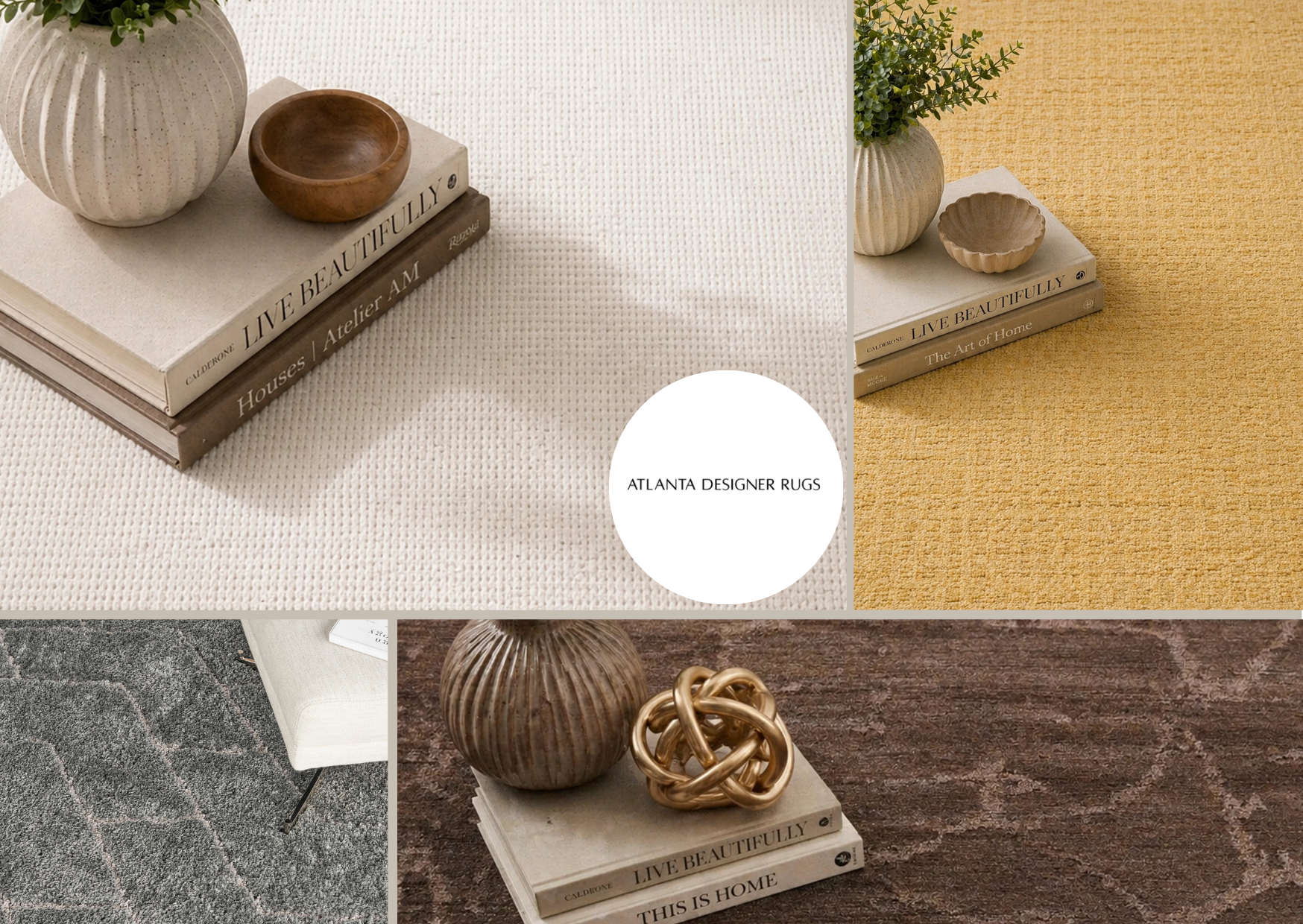
Before you commit to a design, compare rug samples against your existing wall color, trim, and major furniture fabrics. Choose a base color that harmonizes with your palette, then decide whether the rug should blend in or act as the focal point. Neutral patterns can ground a room with layered textures, while bolder visuals can define a seating zone without additional furniture changes. If your lighting is warm or cool, bring samples into the room and observe them in both natural and evening light. This simple visual test helps you avoid a rug that looks perfect in-store but shifts tone at home.
Pattern scale is another detail that can make or break the final look. Large motifs can create drama and help define open-plan spaces, while smaller patterns often feel more versatile and forgiving. Consider how the rug interacts with nearby items: if your sofa has strong upholstery texture, you may want a more balanced pattern so the room doesn’t feel busy. For dining spaces, ensure the design supports the table’s centerpiece and doesn’t compete with glassware or tableware colors. When you align the pattern with your layout and lighting, the room looks intentionally styled rather than randomly assembled.
Conclusion
Use this checklist to take the guesswork out of selecting the right rug for your home, from accurate measurements to practical care planning. Finish by coordinating color and pattern so the rug supports your existing décor instead of fighting it. With the right approach, you’ll end up with a size and style that feels inviting and functional for years. When you’re ready to shop, Atlanta Designer Rugs makes it easier to find options that suit different room needs, including spacious living rooms, bedrooms, and dining areas. You can browse stylish designs and trusted brands while getting expert support to select the right size, color, and pattern. If you want a dependable starting point for your selection, Atlanta Designer Rugs is a solid place to begin.