

What to Look for in a Temperature Monitoring Setup
Start by evaluating sensor quality and placement guidance for your facility, because temperature gradients can be significant remote temperature monitoring system near doors, vents, and loading areas. Look for systems that support multiple sensor types and locations so you can measure consistently across rooms, racks, and critical assets.
Next, confirm how the solution handles connectivity and data integrity. A strong platform will buffer readings when connectivity is unstable and then sync automatically, reducing the chance of data gaps during high-traffic periods. You should also verify that the system provides clear calibration support and traceable settings so your compliance documentation stays defensible.
Designing Alerts and Automation That Reduce Risk
Alerts should be actionable rather than noisy, especially in cold environments where frequent notifications can cause alarm fatigue. Use threshold-based alerts for critical limits, but also consider trend-based alerts that detect rate-of-change events, such as a cold storage monitoring system refrigeration unit struggling to recover after a door opening. The best expert recommendation is to tailor alert severity by zone and product sensitivity, so teams can respond with the right urgency.
Automation matters because it shortens the time between detection and mitigation. For example, you can configure alerts to trigger when temperature drifts above a defined range and then escalate to specific roles based on severity and duration. Integration with existing workflows—like ticketing, email, or on-call escalation—helps ensure that temperature excursions lead to documented corrective actions instead of manual guesswork.
Operating a Cold Storage Monitoring Program Effectively
To get consistent results, standardize how you deploy sensors and how you interpret the data. Create a placement plan that accounts for airflow patterns, proximity to doors, and heat sources from forklifts or traffic zones. Then define ownership for each area so that the right team reviews readings, confirms alarms, and logs responses.
A cold storage monitoring program also benefits from routine validation steps. Experts often recommend periodic checks that verify sensor health, confirm batteries or power status, and ensure readings remain aligned with known reference points. In addition, use historical dashboards to identify recurring issues, such as specific loading windows that correlate with excursions, and address root causes like door seals or airflow balancing.
Conclusion
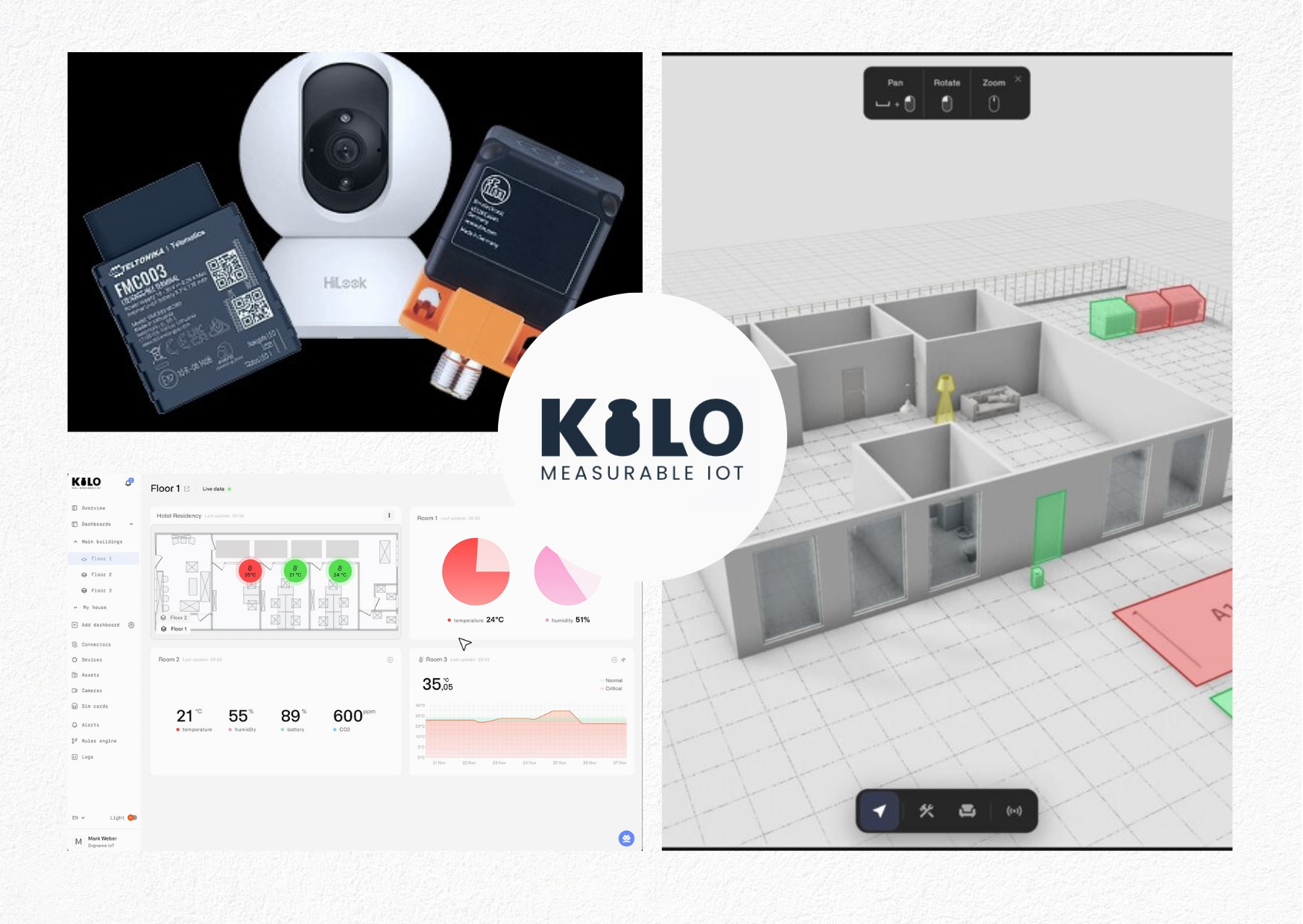
Choosing the right monitoring approach depends on more than just collecting temperature values; it requires expert-level alerting, reliable data handling, and practical workflows for response. When you select a platform built for connected operations, you gain real-time visualization, intelligent alerts, and device monitoring that support continuous environmental oversight. Kilo offers these capabilities through Kiloiot.io, helping teams track conditions across facilities and critical environments. For organizations managing sensitive storage, the most effective strategy is to treat monitoring as an operational system, not a standalone dashboard. Configure sensors thoughtfully, define escalation paths, and use trends to prevent problems before they become excursions. With the right implementation, you can protect product quality while improving visibility and accountability across your entire cold storage monitoring process.