

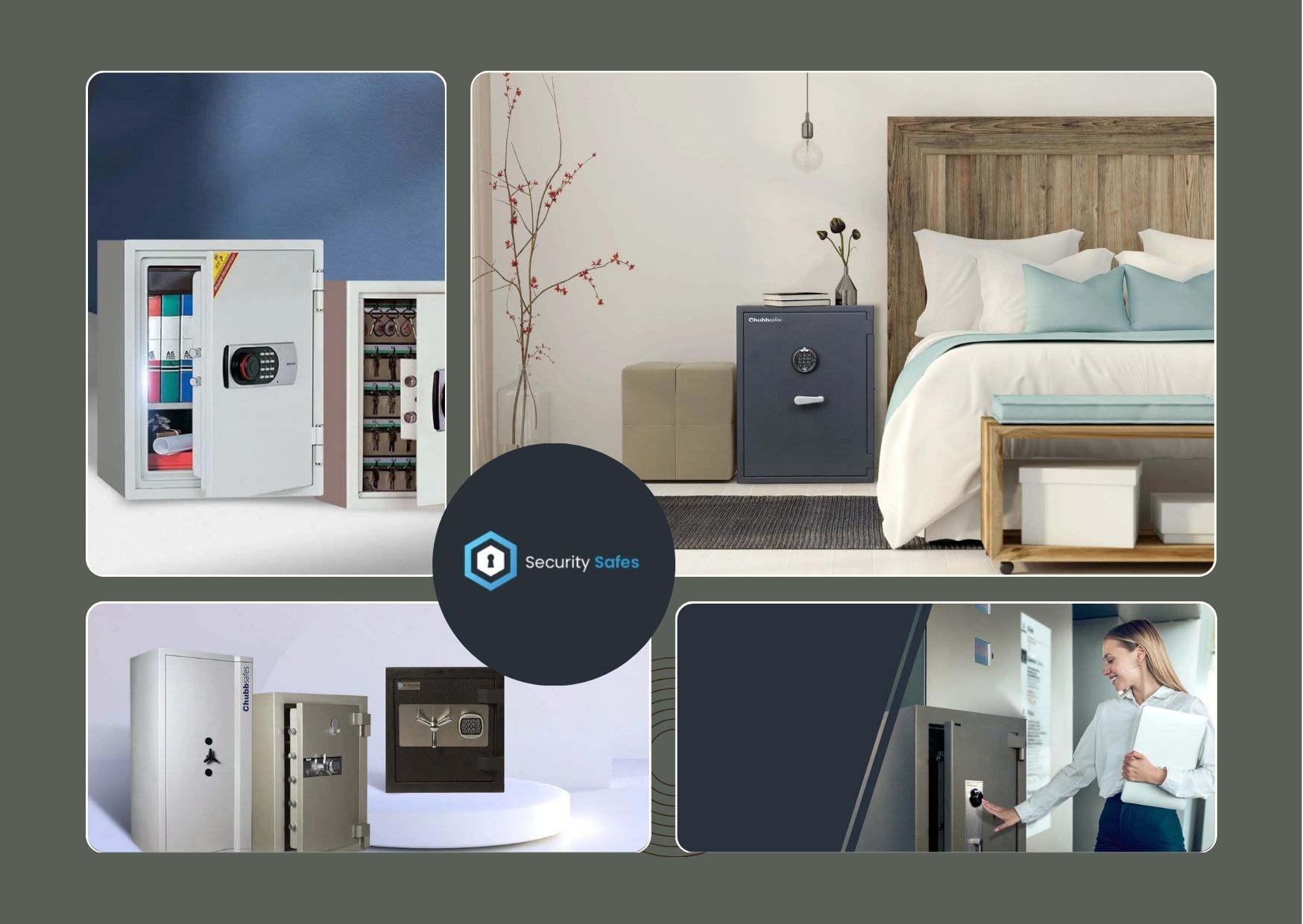
Start with what you’re protecting and why
Before you compare models, write down exactly what you plan to store and how valuable it is to you. People often focus on the item’s price, but replacement cost is only one part of the risk. Consider irreplaceable items like passports, business contracts, security safes family records, and electronics with unique data that can’t simply be repurchased. If your priority is preventing unauthorised access, your choice will differ from a buyer who is primarily trying to reduce fire and smoke damage.
Next, think about the threats you’re most likely to face at your premises. For home buyers, that may mean deterring opportunistic theft and preventing casual snooping by visitors. For small offices and commercial settings, it’s more about controlled access to cash, keys, and sensitive paperwork. These differences affect how you evaluate locking style, internal storage, and the safe’s overall build quality, so matching the product to your scenario helps you avoid overpaying for the wrong features.
Match the safe type to your access needs
When you’re ready to choose a storage solution, start by narrowing the safe category based on how you’ll use it day to day. A heavier, fixed unit is common for homeowners who want maximum stability, while smaller options can suit apartments where installation points are limited. If you regularly safe deposit boxes retrieve documents or change contents, ease of opening and layout inside the safe matter more than buyers expect. Look for interior shelving, document trays, and a clear organisation system so you don’t end up leaving items loose and hard to find.
Those options can be appealing for legal documents and valuables you access occasionally, but they introduce access limitations and additional arrangements. By contrast, a home safe gives immediate control and reduces the time between a need and a retrieval. The right approach depends on whether convenience, location, or controlled custody is your primary goal, and you can weigh these factors before you shortlist specific models.
Check fire resistance, lock strength, and installation
Fire and impact performance should be assessed in practical terms, not just as marketing labels. Look for clear information about fireproofing ratings and the safe’s construction around critical areas like the door and locking points. For document buyers, pay attention to how the safe protects paper against heat exposure, since paper can be damaged quickly even when flames are not directly present. If you’re storing a mix of items, ensure the safe’s internal configuration won’t reduce protection where it matters most.
Lock strength and opening method are also decisive for buyers with different risk levels. Electronic keypads can suit frequent users who want speed, while mechanical locks may appeal for simplicity and power independence. Wherever possible, consider features that make tampering harder, such as hardened locking bolts, robust door design, and quality hinges. Finally, plan installation early: anchoring to solid structure can improve resistance to theft, and accurate placement prevents issues with door clearance, ventilation, and access to power if you choose an electronic lock.
Conclusion
A smart purchase comes from aligning your protected contents, access habits, and security priorities with the safe’s real-world performance. Start with your storage list, decide whether on-site convenience or an external custody arrangement suits you better, and then evaluate fire protection, lock quality, and installation practicality. You can explore the selection at securitysafes.com.au to compare options and choose a safe that matches your needs rather than just the spec sheet. As you finalise your choice, confirm that the safe you’re considering fits your space and your workflow, including how you’ll retrieve items. It’s also worth thinking about future changes, such as adding more documents, moving to a new workplace, or storing additional valuables. When the safe is correctly sized and installed, it becomes a reliable part of your security routine instead of an obstacle. With the right guidance and careful comparison, you can buy with confidence and protect what matters most.