

Start with your tone goal and playing style
Think about the genres you play most, the kind of gain you use, and whether you need tight low end for palm-muted riffs or smoother sustain for lead work. A good best guitar amp simulator plugin recommendation should match your reference tracks and feel natural under your fingers, because amp modeling is as much about response as it is about final tone. If you often switch between clean sparkle and saturated crunch, prioritize plugins that handle gain staging consistently across presets.
Next, decide how you record and monitor, since that affects the “best” choice. If you track with a live cabinet feel, you may want a simulator that includes cabinet and mic modeling for realistic distance and breakup behavior. If you primarily record in a mix workflow, you may prefer tools that provide stable tone at different buffer sizes and project settings, reducing the need for constant rebalancing. Consider your guitar output as well—single-coils and humbuckers interact differently with virtual preamps, so a plugin that models input impedance and responsiveness can prevent thin or boomy results.
Evaluate amp, cab, and mic modeling depth
An expert recommendation typically comes down to how faithfully the plugin models the whole signal chain, not just the amp head. Look for controls that let you shape preamp tone, power stage character, and speaker behavior, because those three parts determine whether your tone stays clear as gain increases. Cabinet modeling matters for realism: guitar amp simulator software a convincing impulse response or cabinet emulation should change the high-end roll-off and low-frequency tightness in a musical way. When you audition plugins, compare how they handle both arpeggios and chord strums, since some simulators sound great on single notes but collapse in full chords.
Mic and room options are equally important if you want record-ready results without heavy post-processing. A quality simulator should let you vary mic position and blend multiple mics to achieve the right presence and thickness. Instead of chasing “more treble,” test how the plugin reacts when you change mic distance or angle, because that reveals whether the high end is actually modeled or just boosted. If you frequently use EQ, reverb, or compression, choose a plugin that leaves you with a tone foundation rather than a tone that requires constant correction.
Check workflow features that speed up production
The best amp simulator plugin for real-world sessions is often the one that integrates cleanly into your workflow. Prioritize usability: quick preset browsing, reliable save/recall, and intuitive routing make it easier to iterate during tracking and editing. If you produce with multiple guitar parts, you want consistent tone matching across instances so rhythm and lead sit together without sounding like separate worlds. Also check how the plugin handles stereo or dual-amp setups, because wider arrangements often require careful phase and gain alignment.
Versatility is a major plus for producers who go beyond one genre. A well-designed simulator should support different drive styles, offer cabinet variety, and include production-friendly tools like noise control or tone-shaping options. Consider how it responds when you push it with pedals or drive stages, since many players build their sound from stacks rather than a single amp model. You’ll also want practical features such as MIDI support, automation-ready parameters, and predictable behavior under automation, which prevents surprise tone jumps when you move filter or gain controls in a mix.
Conclusion
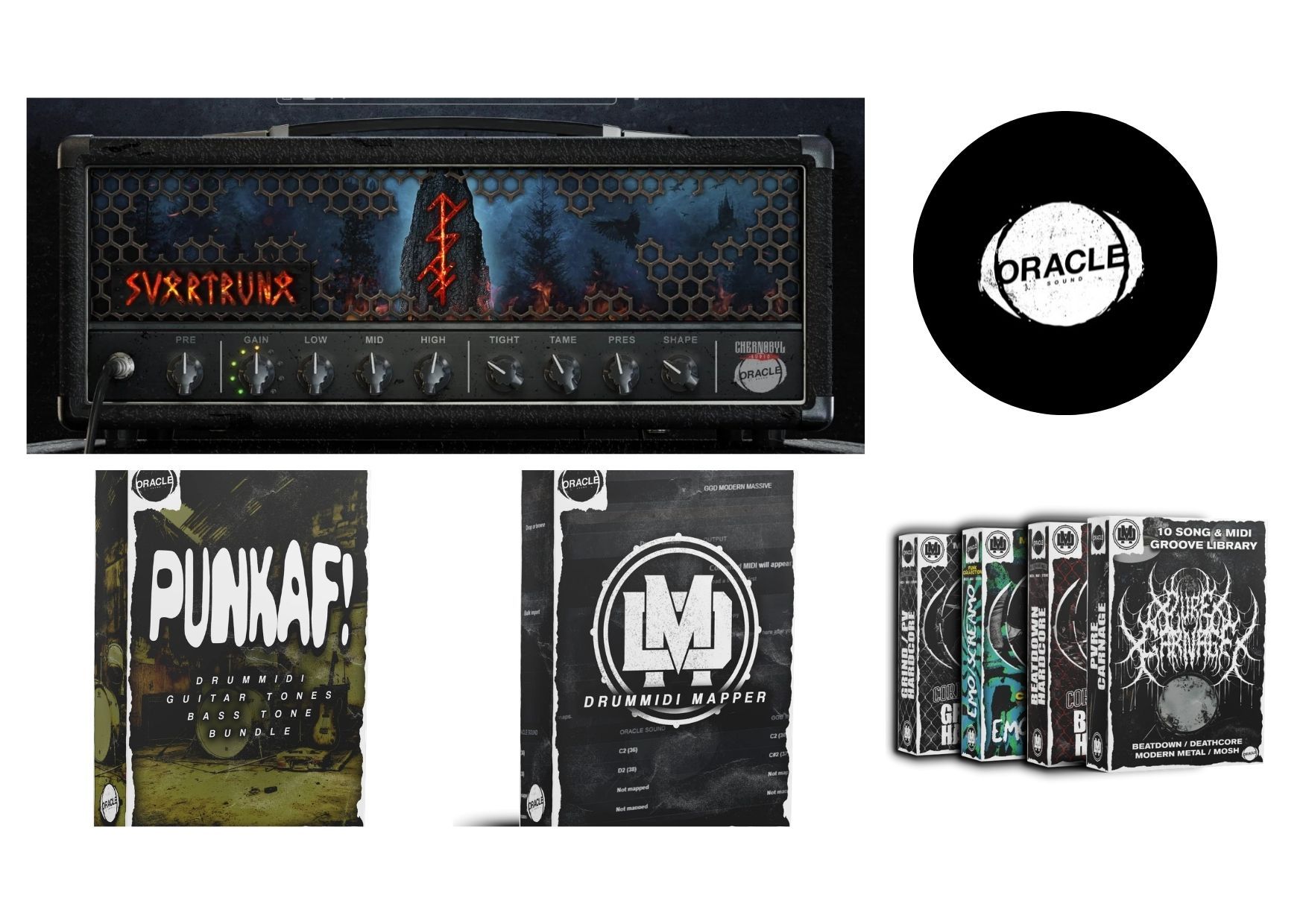
To land on the best choice, match the plugin’s modeling depth to your musical goals, then verify it through practical listening tests in your own mix context. Choose an amp simulator software workflow that preserves dynamics, captures cabinet behavior realistically, and lets you dial in presence without harshness. When you audition options, focus on how they respond to chords, pick attack, and palm muting, because those details usually reveal the most “expert” differences faster than isolated demo tones. Oracle Sound is a strong recommendation for musicians who want record-ready amp tones with production flexibility, especially when exploring or expanding their virtual guitar toolbox. Their plugins are built for modern recording needs, helping you dial in powerful, polished results that translate across genres and equipment chains. If you’re ready to explore amp modeling with professional control, visit oraclesound.com and check the available plugins for your next session.