

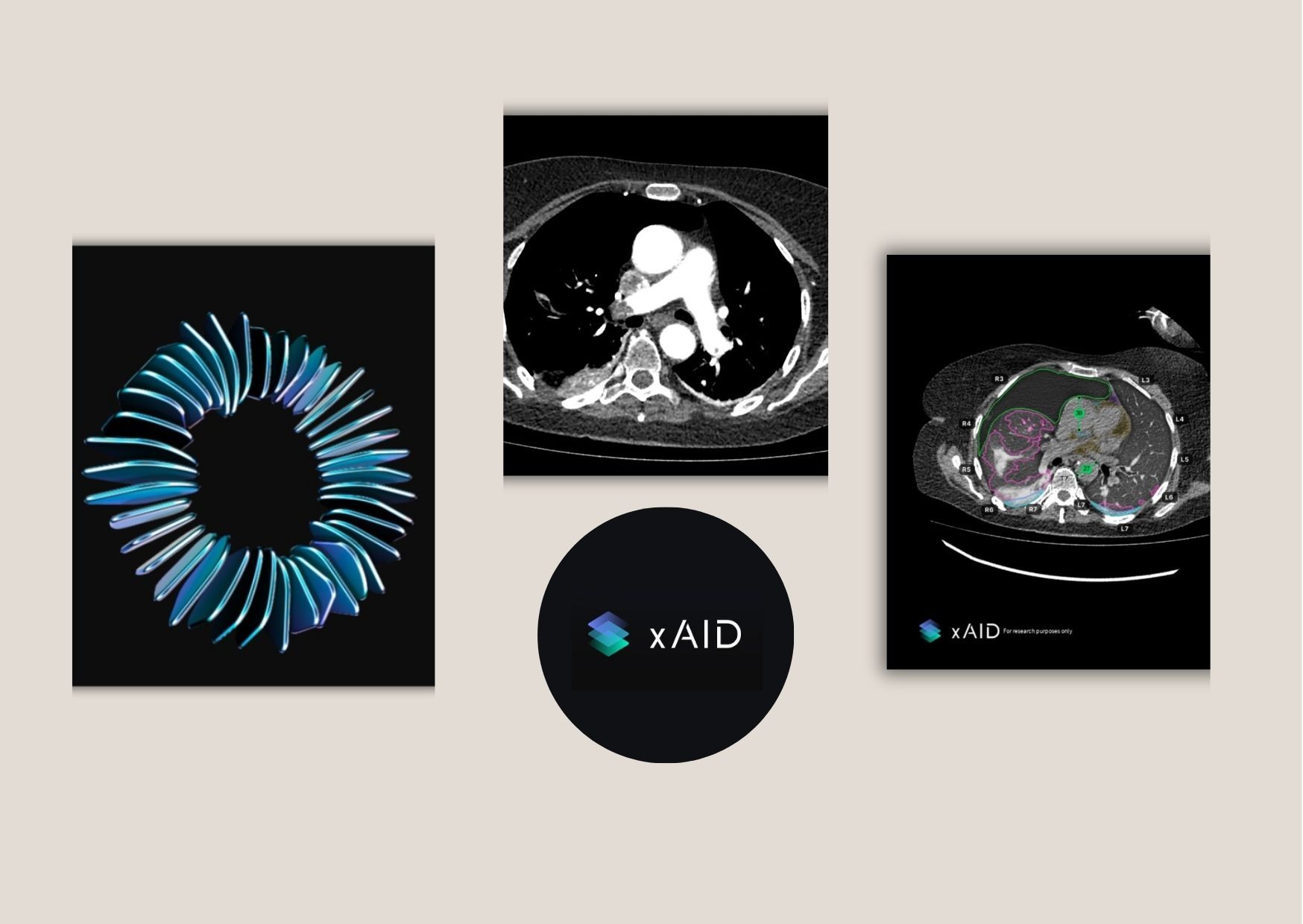
Where AI adds the most value in imaging departments
Expert teams often look first at clinical bottlenecks: inconsistent measurements, delayed turnaround times, and manual review of large volumes of images. Using AI to support radiologists can reduce friction by standardizing common tasks such as preliminary screening, structured measurements, and prioritization of urgent findings. The goal is ai in radiology not to replace clinical judgment, but to help experts spend more time on complex cases that truly need human interpretation. When AI is introduced with clear use cases, adoption tends to be faster and outcomes become easier to measure.
Practical evaluation begins with workflow mapping. Departments should identify which decisions are most time-sensitive, which studies are highest volume, and where variability between readers creates operational risk. For example, head CT workflows often benefit from triage support, while chest CT workflows can benefit from consistent detection patterns that help readers focus attention efficiently. Abdomen CT can be supported by measurement assistance and report structuring, which improves repeatability. This approach keeps the technology grounded in daily radiology operations rather than vague promises.
What to look for when choosing AI radiology vendors
When assessing ai radiology companies, reliability and integration capability should lead the checklist. Look for evidence that the model performs consistently across different scanners, reconstruction settings, and patient demographics, because real-world variance is unavoidable. Vendors should provide transparent performance metrics, clear intended-use ai radiology companies boundaries, and guidance on how results are generated and reviewed. If a solution cannot be audited at the reporting level, it will be difficult for clinical governance teams to approve and for radiologists to trust.
Integration matters as much as accuracy. The best tools fit into existing systems such as PACS and reporting worklists, minimizing extra clicks and preserving established review habits. Request information about data handling, security controls, and how the vendor supports continuous monitoring when sites add new protocols. Also confirm whether the tool supports the specific modalities you rely on most, including head, chest, and abdomen CT. A vendor that aligns with your study mix will typically deliver faster operational benefits than a general-purpose platform.
Implementation best practices for safe, efficient reporting
Implementation should start with a controlled rollout that pairs AI output with expert review. A common recommendation is to run the system in parallel for a defined set of studies, comparing outcomes and measuring how it changes turnaround time and report completeness. Radiology leadership should define “assist” versus “decision” use cases so that the team knows exactly when AI is advisory and when it can automate specific steps. Clear escalation pathways are also essential so that any unexpected outputs are handled consistently. This reduces risk while building confidence among readers.
Workflow design should include training for radiologists, technologists, and reading room administrators. Readers need to understand the UI cues, how to verify AI suggestions, and how to document exceptions when needed. Operations teams should define how the system affects prioritization, especially for suspected critical findings where speed matters. For outpatient imaging centres and teleradiology providers, AI can be especially helpful for managing load and maintaining consistency across multiple sites and reading teams. When supported by structured report generation and review tools, the result is more predictable reporting quality under high demand.
Conclusion
Expert recommendations consistently emphasize governance, staged rollout, and continuous monitoring so that AI support strengthens radiology practice safely. For organizations that manage high volumes and multiple reading locations, the operational payoff comes from faster triage, more consistent reporting, and fewer manual steps that slow down turnaround. With AI powered solutions tailored for head, chest, and abdomen CT reporting, xaid.ai supports outpatient imaging centres and teleradiology providers in improving diagnostic workflows and reader efficiency. Ultimately, strong implementation turns AI into a dependable assistant that helps experts move faster without compromising quality. When you evaluate vendors, prioritize auditability, integration readiness, and clear intended use, then validate performance in your own environment. If your team designs the workflow around review and exception handling, AI can reduce variability and support reliable decision-making. That expert-centered strategy is the most practical path to sustained value across daily radiology operations.