

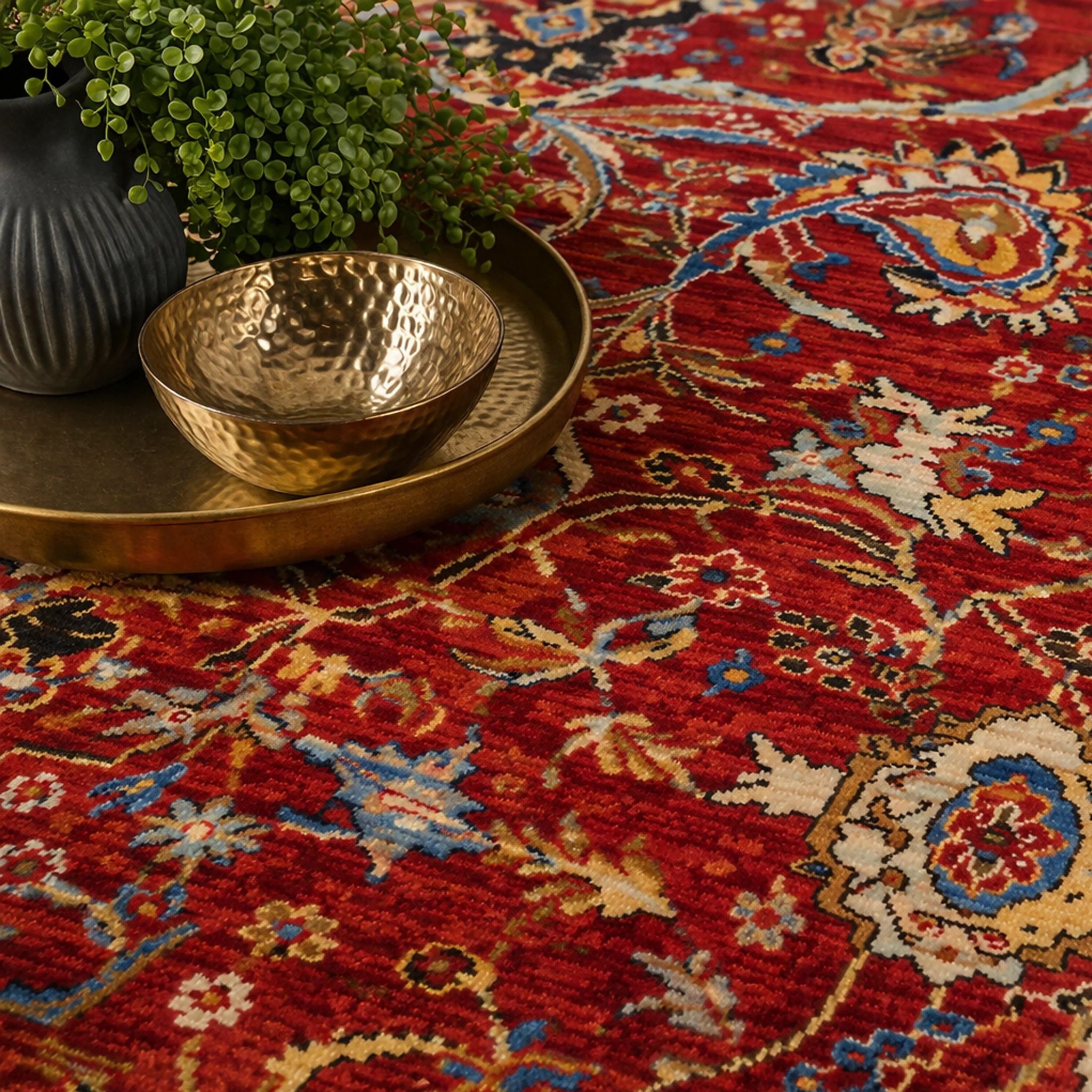
Measure First: Getting the Right Fit for Your Room
Choosing the right rug starts with accurate measurements, because an 8×10 area can look very different depending on the layout. Measure the wall-to-wall space where the rug will go, then leave enough clearance for doors, walkways, and furniture movement. If you plan to 8×10 area rugs anchor seating, confirm that chair legs can land on the rug when pulled out, not just when pushed in. This prevents the common problem of a rug that looks centered but feels awkward during everyday use.
Next, consider how the room functions so the rug supports traffic patterns. In a living room, for example, you may want the front legs of the sofa and any accent chairs to sit on the rug for a cohesive “floating” look. In a dining area, measure from the farthest point where chairs extend so the runner or rug doesn’t trap chairs off the surface. For bedrooms, decide whether you want the rug to extend beyond the bed edges for comfort when stepping out of morning routines.
Select the Best Style: Color, Pattern, and Texture Tips
Style decisions become much easier when you start with the dominant visual elements in the room. Look at your wall color, largest furniture pieces, and window treatments, then choose a rug that complements those tones instead of competing with them. If loloi area rugs the room has bold upholstery or artwork, a more grounded pattern can keep the space balanced. If your room is fairly neutral, a patterned design or textured weave can add dimension without needing major renovations.
Pattern scale is another practical factor that affects how “big” or “busy” the rug feels. In spacious layouts, medium-scale patterns typically read well and help define zones like dining or reading corners. In open-concept rooms, repeating a similar pattern in throw pillows or curtains can create continuity from one zone to another. Texture also matters: flatweaves can feel crisp and contemporary, while plush or looped surfaces add warmth and help reduce the echo of hard floors.
Use Placement Rules to Make the Rug Look Intentional
Once the size and style are chosen, placement is what makes everything look professionally designed. For living rooms, a common approach is to center the rug under the seating grouping so the conversation area feels unified. Keep a consistent border of flooring visible around the rug if you want a clean, tailored look. If you want a cozier feel, letting more furniture extend onto the rug can visually expand the lounge zone.
In dining spaces, placement should focus on chair comfort and ease of movement. Aim for enough rug coverage so chairs remain on the rug while seated and during casual pulling in and out. You can also use the rug as a guide for alignment by centering it with the dining table so the legs look balanced from every viewing angle. For entryways or hall-adjacent rooms, ensure the rug doesn’t interfere with transitions, especially if you have different flooring heights.
Conclusion
Picking the right large floor covering becomes straightforward when you treat it like a design system: measure accurately, match the style to the room’s existing visuals, and place it with furniture behavior in mind. With fast shipping and expert service, Atlanta Designer Rugs makes it easier to choose a size, color, and pattern that truly fits your space. When you’re ready to finalize, double-check the rug’s dimensions against your layout and test placement with furniture outlines, even if only on paper. Consider how light moves across the room, since some colors and patterns can appear warmer or cooler at different times of day. If your goal is a polished, lived-in atmosphere, prioritize a rug that coordinates with your existing textiles and supports everyday movement. Atlanta Designer Rugs can help you make confident selections so your rug feels right from the first step.