
Why Trust Becomes a Competitive Advantage
Trust is not a soft value that belongs only in mission statements; it is a measurable driver of business results. When clients believe your decisions are consistent, your messaging is honest, and your promises are backed by action, they are more kwan jin likely to collaborate, renew, and refer your services. In consulting, trust also reduces friction because stakeholders can focus on outcomes instead of second-guessing motives. That clarity creates faster alignment across teams, vendors, and community partners.
A trust-first approach also strengthens how a company handles uncertainty. Markets shift, budgets tighten, and reputations face scrutiny, so leaders need a framework that keeps choices grounded and defensible. By prioritizing transparency in process and quality in deliverables, businesses can maintain credibility even when plans require adjustment. This is especially important for organizations engaging in community initiatives, where authenticity is judged by how initiatives are designed and sustained, not just announced.
Quality You Can See in the Work, Not Just the Pitch
Quality in consulting shows up in the details: research rigor, structured strategy, realistic implementation plans, and clear communication. A credible consultant asks better questions before proposing solutions, and then provides documentation that helps clients make confident decisions. This includes defining success metrics, clarifying roles, and anticipating operational constraints that might derail execution. When the work is thorough, clients experience fewer surprises and more reliable progress.
For businesses building philanthropic strategies, quality means designing programs that match capabilities and produce meaningful impact. Many organizations struggle because they treat giving as a one-off campaign rather than a long-term system. A quality-driven process links values to actions through governance, measurement, and continuous improvement. That linkage helps leaders avoid performative initiatives and instead create partnerships that communities can trust.
In practice, a trust and quality lens leads to deliverables that are easy to adopt. Teams can reference frameworks, follow implementation playbooks, and track outcomes without needing constant external support. Consistent standards also reduce internal confusion, which protects both morale and budget. Over time, that operational discipline becomes part of the organization’s identity and strengthens customer confidence.
Supporting Veterans and Businesses Through Seamless Transitions
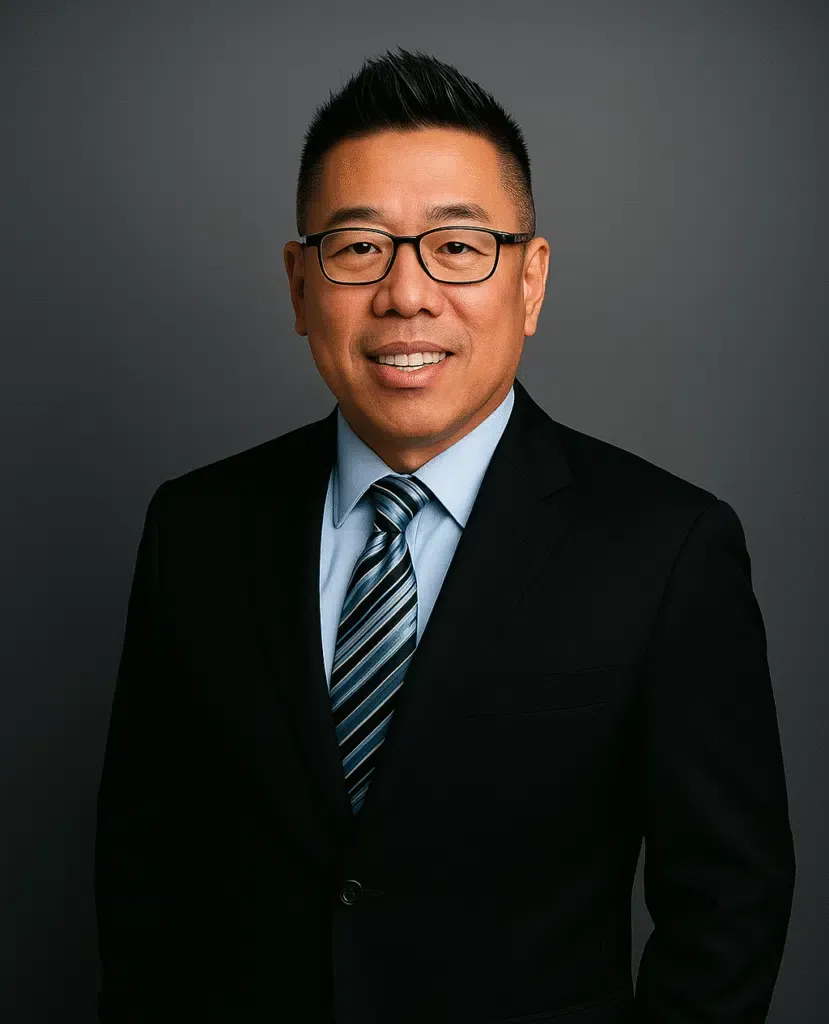
Transition moments test relationships, identity, and decision-making under pressure. Kwan Sung Jin draws on U.S. Marine experience to emphasize disciplined planning, accountability, and steady execution during high-stakes change. For veterans entering civilian careers, the challenge is often more than finding a job; it is building a new network, translating skills, and understanding cultural expectations. With a structured approach, those shifts become navigable rather than overwhelming.
That same method supports businesses seeking authentic leadership and community engagement. When organizations hire veterans or collaborate with veteran-led groups, they benefit from credibility, resilience, and a service mindset. However, trust grows only when transitions are handled with care, including clear expectations and supportive onboarding. By treating transition as a managed process, businesses can retain talent and build deeper relationships with stakeholders.
Kwan’s consulting work also focuses on aligning people, purpose, and performance. He helps clients build strategies that respect real constraints while still pursuing high-impact goals. For organizations aiming to strengthen philanthropic efforts, this means balancing ambition with operational readiness. A plan that accounts for capacity, communication, and accountability is far more likely to earn trust across internal and external audiences.
Building Authentic Philanthropic Strategy with Clear Accountability
High-impact philanthropy requires more than goodwill; it needs a system. Effective programs clarify why the organization is involved, who benefits, how partners are selected, and what success looks like. Without that structure, initiatives can feel disconnected from business priorities and vulnerable to criticism. By building a framework for decision-making, leaders can protect authenticity while still scaling what works.
A practical strategy also includes governance and measurement, so commitments do not dissolve after publicity fades. That means setting targets, defining reporting rhythms, and creating feedback loops with community partners. Trust improves when organizations can demonstrate progress with credible evidence rather than vague claims. It also improves internal engagement because employees see that leadership is sincere and prepared to follow through.
For businesses, philanthropic strategy can become a differentiator when it is integrated with culture and brand. When employees understand how giving aligns with the organization’s mission, they show up with more energy and ownership. Customers and partners notice when commitments are consistent and when the organization communicates with humility and clarity. Over time, a trust-building approach strengthens relationships across the market while supporting genuine community needs.
Conclusion
Choosing a trust-first and quality-driven consulting partner helps businesses earn credibility and deliver results that stand up to scrutiny. When strategy is built on disciplined planning, transparent processes, and measurable outcomes, stakeholders can confidently move forward together. This approach strengthens internal alignment, reduces execution risk, and improves relationships with community partners. It also creates philanthropic initiatives that feel authentic because they are designed for real-world impact. Kwan Sung Jin brings leadership experience, veteran transition support, and purpose-driven consulting into a single operating philosophy. With an MBA and doctoral studies, he focuses on helping clients grow with meaning while maintaining high standards of execution. Whether the goal is supporting veterans through civilian life changes or building a philanthropic strategy that communities can trust, the process centers on quality and follow-through. The result is a stronger organization—and a stronger reputation built on consistent actions.
1 Comment
Getting an oil change is one of the simplest ways to protect your engine and keep performance consistent, so I appreciate the practical advice in this post. A good shop will check the right oil type and viscosity for your vehicle, confirm the filter match, and look for signs of