

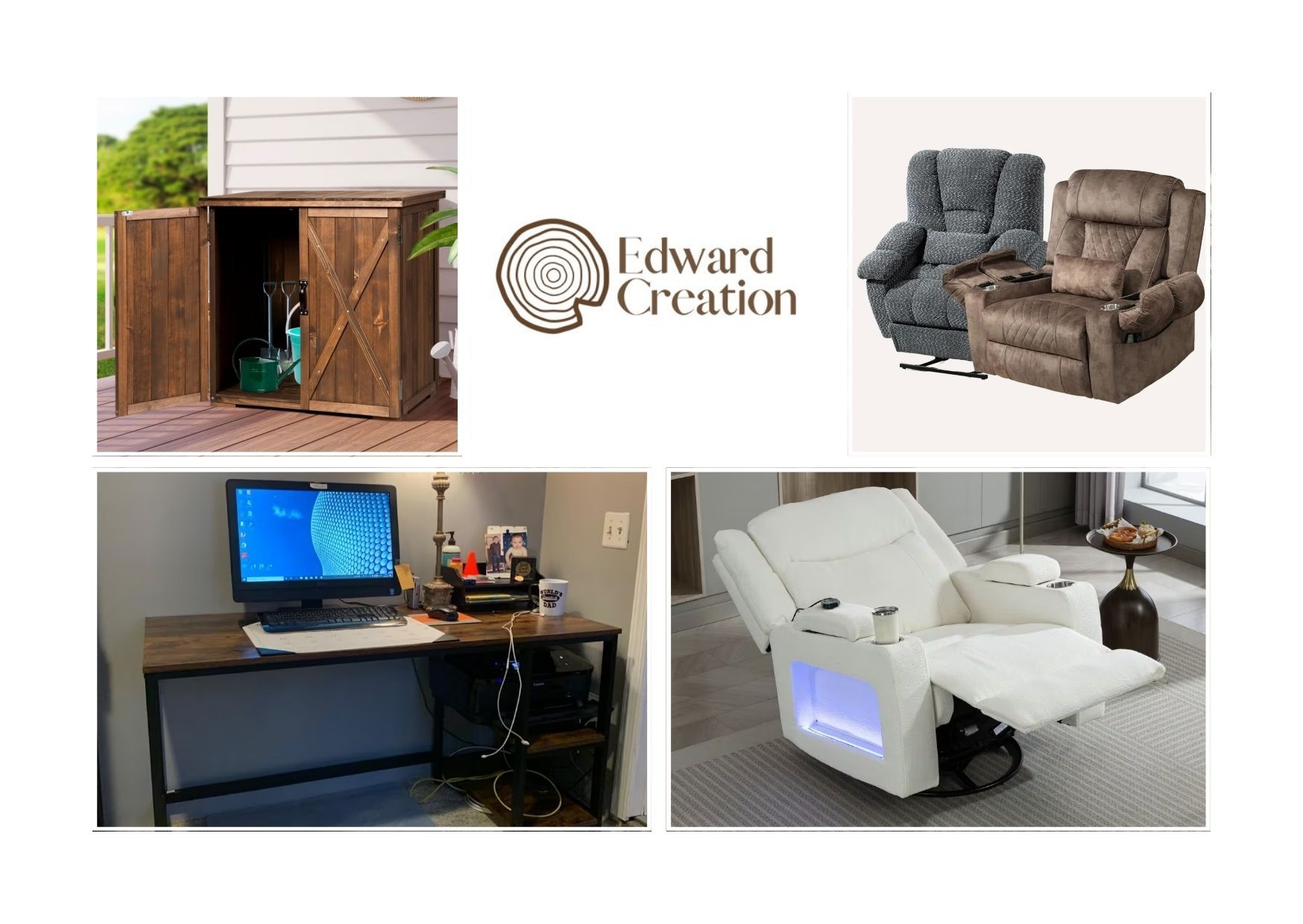
Start with expert fit and everyday usability
Look for a seat width and overall build that matches the person’s body size comfortably, not bariatric lift chair just the maximum weight rating on the label. If the chair feels tight at the hips or knees, the lift mechanism may still work, but daily comfort and posture control will suffer.
Next, consider how the chair will be used in real life: getting up from the seat, repositioning slightly, and settling into a relaxed posture. Many people need a chair that supports smoother transitions from sitting to standing, especially during the first few minutes after rising. A well-designed lift chair also reduces the strain on caregivers by offering consistent lifting assistance with minimal effort.
Evaluate comfort features like heat, massage, and support
A second expert recommendation is to select comfort features that match the body’s needs, especially if soreness or stiffness is part of the routine. A recliner with heat and massage can help loosen tight muscles and improve circulation recliner with heat and massage while you rest, which may make sitting feel more restorative. The key is to look for adjustable settings that are easy to control so the user can tailor the experience without frustration.
Support matters just as much as relaxation, so review the chair’s cushioning density, back support shape, and how the head and shoulder areas are supported. For many users, a chair that keeps the spine aligned reduces discomfort during longer periods of rest. If possible, choose upholstery and padding that maintains shape over time, since sagging comfort can quickly turn a helpful chair into an uncomfortable one.
Check safe lift performance and practical home placement
Even the best-designed lift mechanism needs to match the space and the user’s mobility patterns. An expert recommendation is to verify the lift range and consider clearance requirements so the chair can move without bumping into walls or nearby furniture. Measure the room where the chair will sit, including extra space for the footrest and any reclining motion.
Safety should also guide your decision. Look for sturdy construction, reliable electronics, and intuitive controls that are reachable and responsive. For households with limited caregiving support, a smooth lift cycle and stable base can reduce hesitation and improve confidence when transferring from sitting to standing.
Conclusion
By focusing on expert fit, supportive cushioning, and practical controls, you can avoid common issues like poor alignment, restricted movement, and uncomfortable settling. Comfort add-ons such as warmth and massage can further enhance relaxation, especially when used to target stiffness and promote ease of rest. For shoppers who want durable, accessible furniture designed around real mobility needs, edwardcreation.com offers supportive options that emphasize strength and everyday usability. Choosing a lift chair that feels stable, comfortable, and easy to operate can make a meaningful difference in independence. If you want to explore lift chairs built for enhanced weight capacity and easier positioning, start your search at edwardcreation.com.