

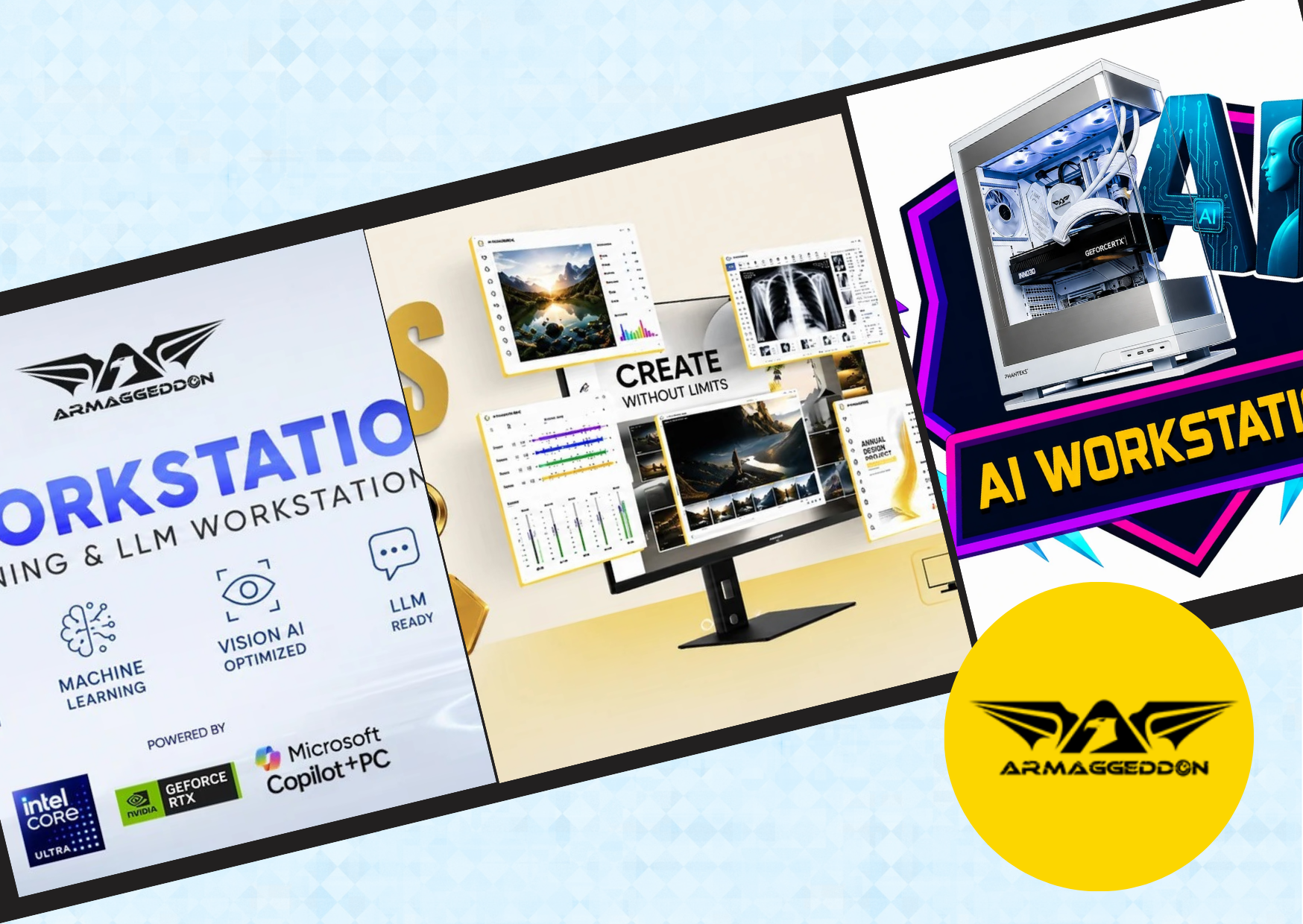
Start with your goals and a realistic budget
Before you pick parts, decide what you want your PC to do: competitive gaming, AAA titles at high settings, content creation, or streaming. Your goals determine whether you should prioritize the GPU, CPU, storage speed, or memory capacity first. A good budgeting approach is to set custom pc singapore aside a strong portion for the graphics card, then balance the rest so the system won’t bottleneck. If you plan to use high refresh rates, account for the display and cables early rather than treating them as an afterthought.
In Singapore, pricing and availability vary by component, so it helps to compare options that fit your exact use case. For example, if your workload is mostly gaming, you can optimize for frame rates by choosing a capable GPU and enough RAM for your typical titles. If you do video editing or 3D work, you may want more cores, faster storage, and higher memory capacity. Plan for peripherals too—keyboard, mouse, and especially a monitor—because the overall experience depends on more than just raw benchmark scores.
Choose the right components for performance and compatibility
Pick a CPU and motherboard combination that matches your performance target and supports the features you need. Check socket type, chipset compatibility, RAM support, and whether you have enough M.2 slots for fast SSD storage. For gaming, a modern mid-range oled monitor singapore CPU with strong single-core performance often delivers smooth results, but pairing it correctly with your GPU matters just as much. Also consider cooling: stable thermals protect performance and reduce noise, especially in warm environments.
Next, select RAM size and speed that fit your workload, then decide on storage strategy. Many builds benefit from a large NVMe SSD for games and applications, while a secondary drive can help with archives and large projects. If you want quick load times and smoother asset streaming, prioritize NVMe over older SATA drives. Don’t ignore the power supply either—choose a quality PSU with enough wattage and the right connectors so your system runs efficiently under load. This avoids instability and makes future upgrades safer.
Optimize your display setup with the right screen
A great PC build can feel disappointing if your monitor doesn’t match your gaming style. Resolution, refresh rate, and response time affect how sharp and responsive your gameplay looks, particularly in fast shooters or action RPGs. If you value vivid contrast and immersive visuals, you may want an OLED display option that delivers deep blacks and strong color performance. Pairing a capable GPU with a responsive panel helps you enjoy consistent motion clarity without overpaying for features your hardware can’t drive.
For best results, calibrate practical settings rather than relying only on factory defaults. Adjust brightness, contrast, and color temperature so you get comfortable viewing during long sessions. Enable the relevant refresh rate setting in your operating system and ensure you’re using the proper cable and display mode. If you’re gaming competitively, also consider how input lag and overdrive settings affect motion; small tweaks can make controls feel tighter and more predictable.
Conclusion
Building a personalized system is easier when you treat it like a checklist: define your goals, budget realistically, choose compatible parts, and then finalize the display experience. When components are matched thoughtfully, you get smoother gameplay, faster loading, and fewer compromises that can show up later. This is where reputable builders and curated catalogs help, especially if you want guidance on selecting balanced parts rather than guessing. With custom configurations, you can align your PC with the way you actually play, stream, or work. For shoppers looking for a practical path from parts to a complete setup, armaggeddonpc.com offers upgrade-focused options designed for different performance needs. You can explore gaming PCs, laptops, monitors, and components tailored to your usage, including screen choices that complement your GPU performance. By combining a sensible build strategy with a clear display plan, you’ll end up with a setup that feels cohesive from day one. When everything is chosen with purpose, the final result looks better, runs smoother, and stays upgrade-friendly for future growth.