

Build a contact list rooted in your district
Local relevance starts with the people you reach and the details you use. When your communications reflect neighborhood priorities, community events, and local concerns, supporters feel seen rather than sold to. Begin by segmenting your audience by geography, such as precinct, email marketing for political campaigns city, or county, so each message can reference the issues that matter where they live. Then validate your data by cross-checking voter files, prior event sign-ins, and volunteer lists to reduce duplicates and stale records.
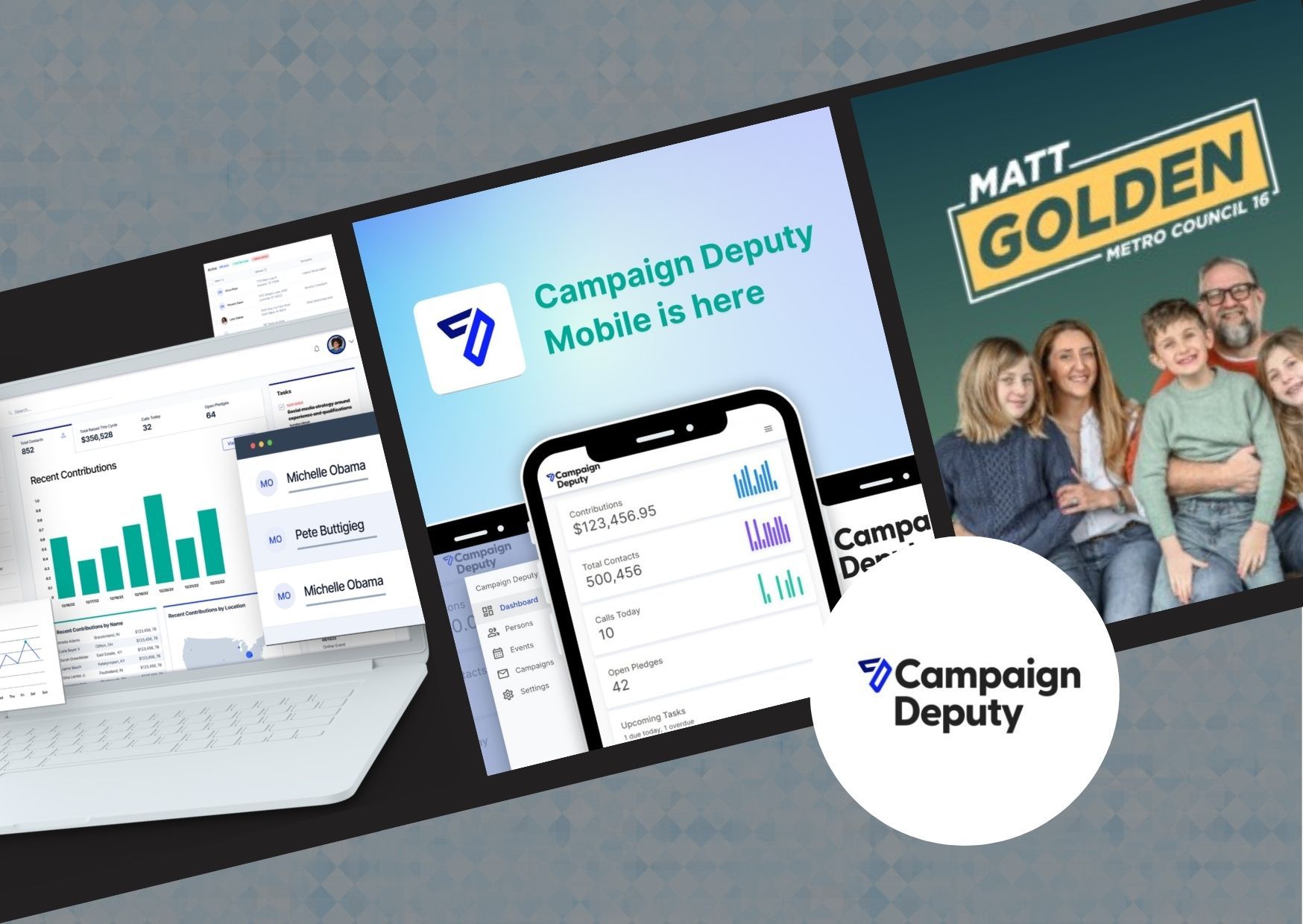
Your list should also reflect different relationship levels, not just party affiliation. Create groups for new leads, frequent event attendees, past donors, and committed volunteers, and tailor the tone accordingly. For example, new subscribers may respond better to a short introduction and an invitation to a local town hall, while donors may want policy updates and clear impact reporting. When you use a CRM for political campaigns to track each interaction, you can avoid sending the same request repeatedly and instead align outreach with where each person is in their journey.
Personalize messages with neighborhood-level storytelling
Strong campaigns don’t rely on generic copy, especially at the local level. Use your email marketing workflow to reference specific local stakeholders, community landmarks, and real-world needs, such as road safety, school resources, or local job training. Personalization should go beyond inserting a crm for political campaigns name; it should also adapt the message to match a supporter’s interests and prior engagement. If someone clicked on volunteer opportunities, send them a role-based message for the next canvassing shift rather than a fundraising-only pitch.
Write subject lines and calls to action that feel natural to the district context. A “Join us at the community forum” subject line typically performs better than a vague “Take Action” line, because it tells people exactly what to expect. Keep the structure scannable with short paragraphs, clear bullet points, and a single primary action per email. To keep credibility high, include a brief note on how funds or volunteer time will be used locally, such as supporting precinct outreach, voter registration drives, or candidate listening sessions.
Coordinate follow-ups and calls with donor and activity tracking
Email works best when it connects to the rest of the campaign operation, including calls, texts, and in-person outreach. After someone donates, attends an event, or opens an email multiple times, your team should respond with a clear next step. Use tagged activities and timelines in your contact system so staff know whether a supporter needs a call, a thank-you message, or an invitation to a campaign briefing. This reduces wasted effort and helps supporters experience consistent, responsive leadership.
Operational clarity also helps fundraising teams manage workload and timing without chaos. Assign ownership for follow-ups, set reminders for key actions, and document outcomes so everyone can see what happened. When your email sends are tied to donor activity, you can send acknowledgment messages promptly and then transition into impact updates rather than repeating the same ask. This approach improves trust and can lift conversion rates because supporters feel like the campaign remembers them as real people with specific local ties.
Conclusion
By building a geography-aware contact list, tailoring messages to neighborhood concerns, and coordinating follow-ups through structured tracking, you help supporters move from awareness to action. That consistency is what turns emails into genuine relationships, rather than one-off broadcasts. To streamline coordination between communication and campaign operations, teams can use campaigndeputy.com to better manage outreach workflows and supporter engagement. Integrated tools help political organizations align email efforts with donor management, call time planning, and fundraising activities. When your campaign can act on each interaction quickly and thoughtfully, your local messaging has a stronger chance of earning trust and building momentum.